Anambra Physicians' Week: NMA Calls for Better Funding To Secure Future of Medicine, Urges Doctors To Prioritize Self-Care
By ABS News Team · October 27, 2026 · 5 min read

The Nigeria Medical Association, NMA, Anambra State Chapter has decried the worsening doctor-patient ratio, poor welfare and mass exodus of doctors, warning that the future of medicine in Nigeria is at risk.
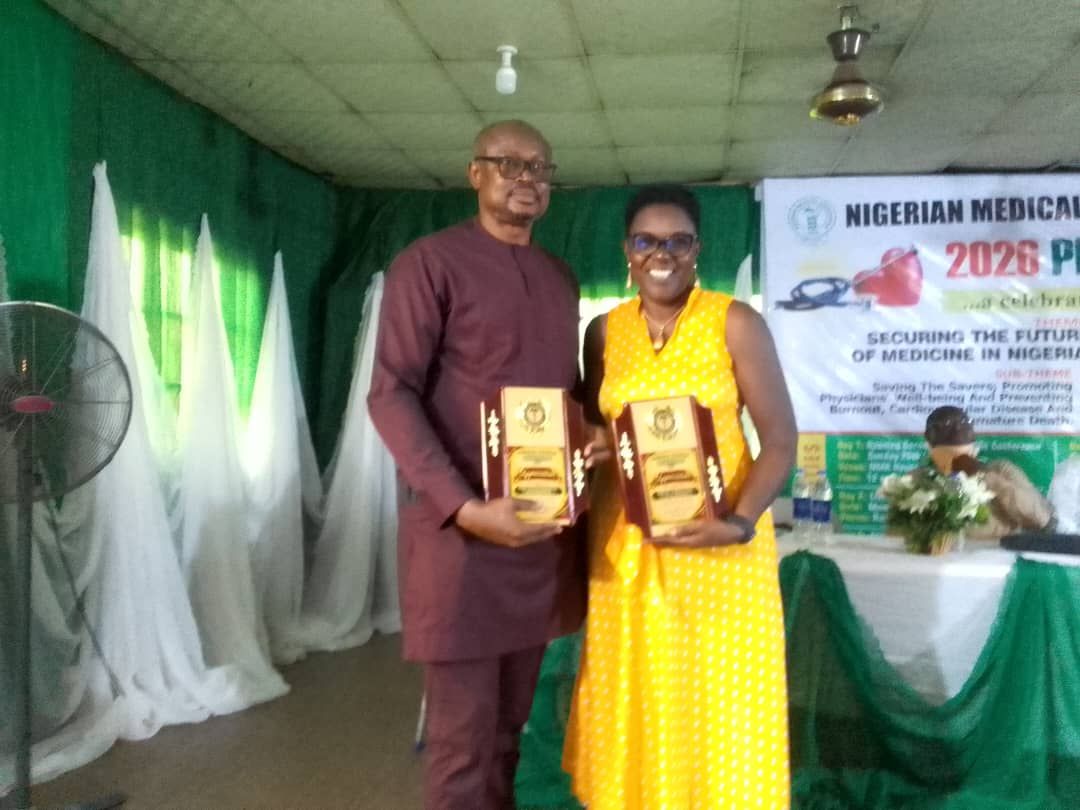
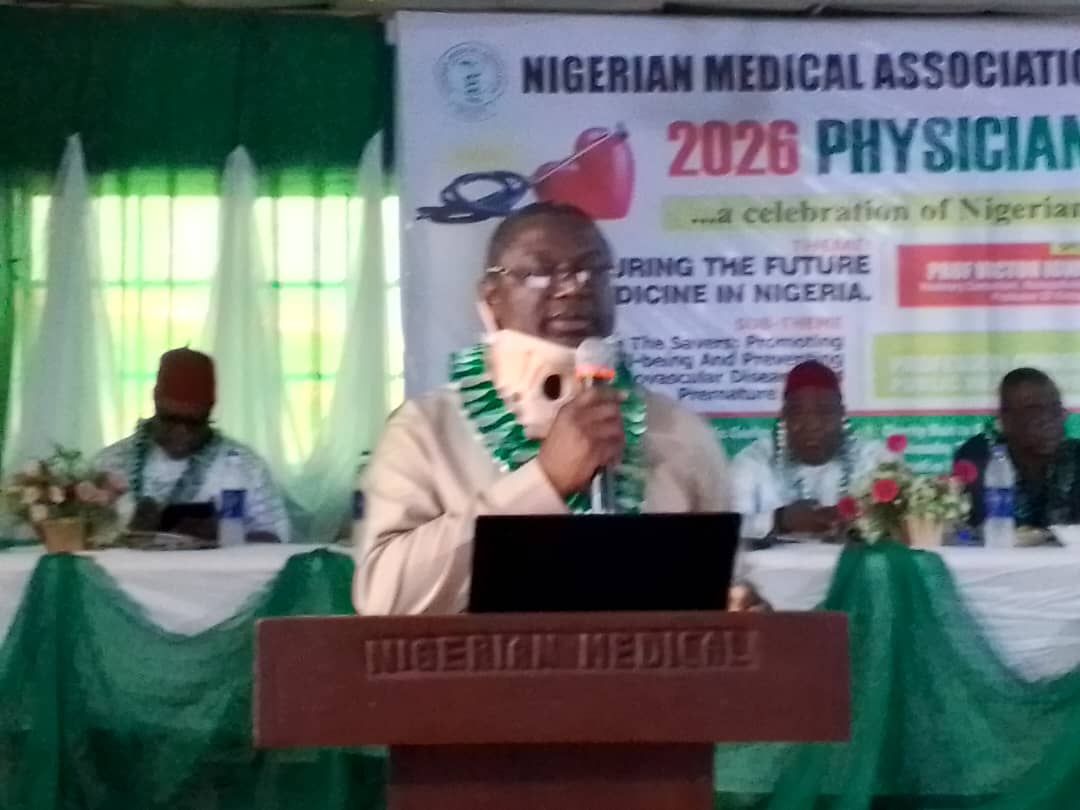
The concerns were raised during the 2026 Physicians' Week held at the NMA House, FMC Onitsha, with the theme “Securing the Future of Medicine in Nigeria” and sub-theme “Saving the 'Savers': Promoting Physicians' Wellbeing and Preventing Burnout, Cardiovascular Disease and Premature Death.”
In an opening speech, the State NMA Chairman, Dr. Ndubuisi Arua, said the week celebrates the resilience and compassion that define the medical profession amid numerous challenges confronting health care delivery in Nigeria but stressed the need for a healthy work environment to enable doctors perform optimally.
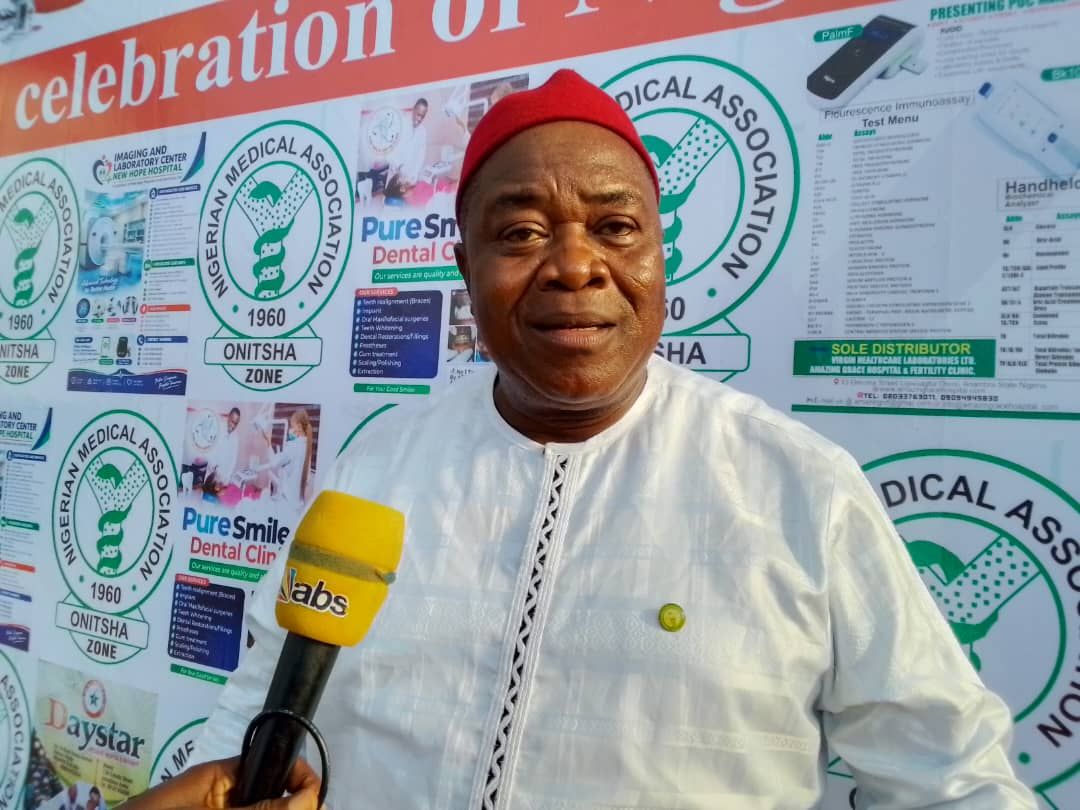
Declaring the week opened, the Vice Chairman of NMA, Anambra State, Prof. Samuel Umeononihu, said the health system is at a crossroads, with brilliant Nigerian doctors excelling abroad while those at home battle poor infrastructure, outdated equipment, severe manpower shortage and poor remuneration.
He disclosed that while the WHO recommends one doctor to 600 patients, Nigeria does not even have one doctor to 900 patients, a situation worsened in Anambra where young doctors are leaving, hospitals understaffed and equipment overstretched.
The Chairman on the occasion and pioneer Director, Centre for Surgical Oncology, Nnamdi Azikiwe University, Prof. Stanley Anyanwu, said "Japa syndrome" is not new and is part of human evolution, recalling how hundreds of thousands migrated after the fall of the potato economy and how 40 years ago many Nigerians moved to the Middle East and Saudi Arabia.
He noted that people cannot be stopped from migrating, but emphasized mentorship and creation of an enabling environment.
Speaking on the main theme, Prof. Igwebuike Onyiaorah of Histopathology, Nnamdi Azikiwe University, described medicine as holistic, encompassing preventive health such as sanitation, water and food security and urged government to increase health budgetary allocation from the current 5% towards the WHO-recommended 15% and ensure judicious use of funds.
He called for policies to protect essential duty workers, investment in postgraduate training, insurance cover, and training of the girl-child, while a Public Health Physician, Prof. Chigozie Ifeadike, who spoke on the sub-theme, said doctors must save themselves while saving others, lamenting that many skip medical leave, sleep in clinics and miss conferences, leading to burnout, poor efficiency and ill-health.
She called for synergy among health providers, a conducive working environment and increased remuneration to reduce japa syndrome among medical professionals.
Other speakers including Dr. Christopher Okonkwo, Dr. Uzo Ezeokoli, Dr. Vivian Onwuekwe, Dr. Moses Ugwueke and Dr. Levi Chukwuma described the theme as a wake-up call for government to improve doctors' welfare, with Dr. Chukwuma advocating tax relief for doctors.
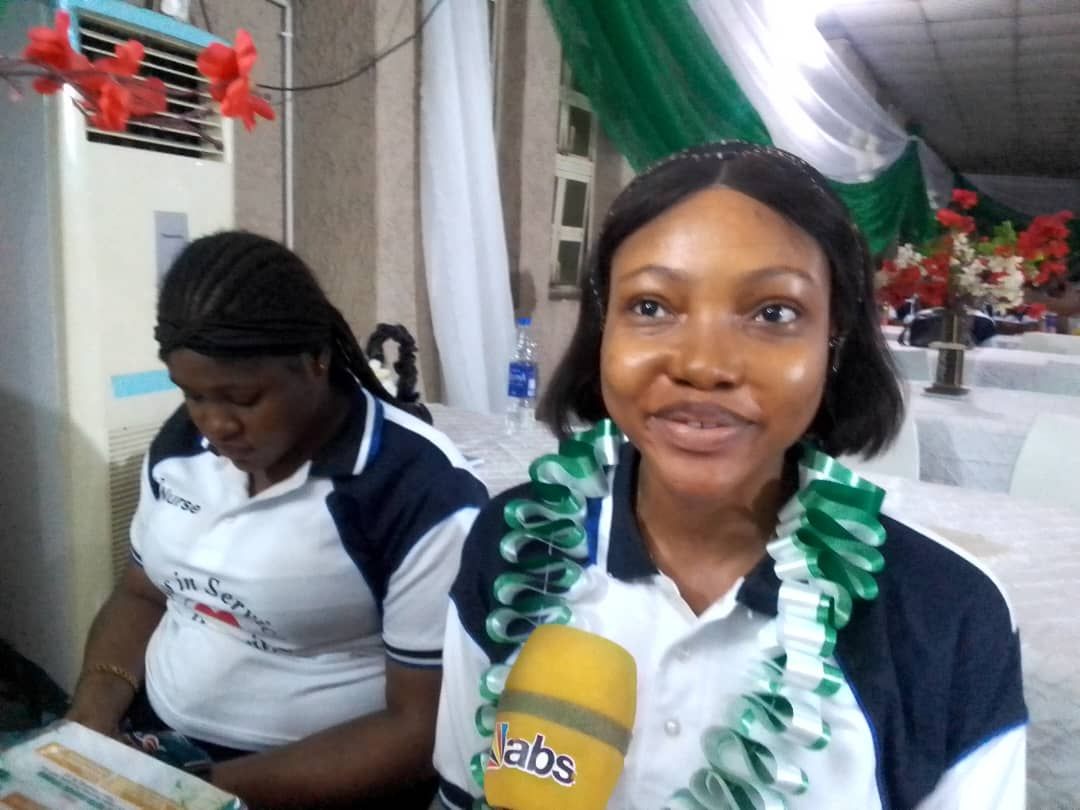
A nursing student, Jennifer Mekaowulu of St. Charles Borromeo College of Nursing, Shanahan University, Onitsha, said brain drain has increased workload for those at home and pledged to contribute her quota to improve the health system.